
- Digestive Disorders
- Intestinal Parasites: Signs, Symptoms & Natural Treatments
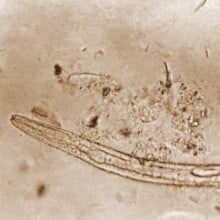
Intestinal Parasites: Signs, Symptoms & Natural Treatments
Articles
- Anxiety/Depression
- Autoimmunity
- Bacteria
- Digestive Issues
- Eczema
- Hashimoto's
- Leaky Gut
- Parasites
- Skin Rashes/Disorders
- Viruses
Health Clinic

Intestinal Parasites: Signs, Symptoms & Natural Treatments
It may not be nice to think about, but intestinal parasites are way more common than you probably think.
You don’t have to travel to a foreign country to get one. And if you are suffering with unresolved gut imbalances or a weak or stressed immune system, your chances of having one are much higher.
That’s why parasites are particularly common in autoimmune patients. In fact, just the other day I had a patient come back positive for a worm in her stool test and she had been struggling with digestive symptoms for years with no explanation of why.
So let’s look at how you get parasites, the signs and symptoms of having them, the link with autoimmune conditions, and how to address them naturally.
How Do You Get a Parasite?
Food is the most common source of parasites in developed countries, especially undercooked meats and unclean produce. You may also come into contact with them while handling animals or in lakes, creeks, and other bodies of water.
If you travel internationally you may also contract a parasite from contaminated water. Although again, there are plenty of parasites here in the US.
8 Signs of Intestinal Parasites
Signs that you’re dealing with an intestinal parasite can include:
- Digestive issues such as diarrhea, constipation, or gas
- Unexplained skin rashes or irritations, like eczema
- Anxiety
- Insomnia or waking up throughout the night (specifically during full moons)
- Grinding your teeth while sleeping
- Nutrient deficiencies, especially anemia
- Muscle or joint pain
- Itching around your rectum
The Parasite, Leaky Gut & Autoimmune Connection
As I said, if you’re already dealing with a gut imbalance or strained immune system, you’re more susceptible to parasites. However, they can also cause and perpetuate autoimmunity by triggering intestinal permeability or leaky gut.
This is where the tight junctions of your small intestine open up, allowing bacteria, toxins, viruses, and food particles to escape into your bloodstream. And, all of these foreign particles that don’t belong trigger a big spike in inflammation and can lead to autoimmune diseases, such as Lupus, rheumatoid arthritis, multiple sclerosis, and many others.
A few specific parasites have even been directly linked to the autoimmune thyroid conditions Hashimoto’s and Graves’ disease.
Parasites as a Treatment for Autoimmune Disease
However, on the flip side, in certain cases, non-pathogenic worms are actually being administered to patients as a breakthrough treatment for autoimmune conditions.
A class of worms called Helminths, which include hookworms and whipworms, are believed to help modulate the immune system and reduce inflammation. Early studies show that they can reduce symptoms of Crohn’s disease, which is very rare in developing countries where these parasites are still common.
However, in most cases, parasites are a cause rather than a treatment for autoimmunity and should be eliminated. I like to use the approach of guilty until proven innocent when it comes to most parasites.
Testing for & Treating Intestinal Parasites
When it comes to testing for parasites you want to rely on a comprehensive DNA-based stool test rather than conventional stool tests.
DNA-based stool tests such as the GI-MAP test we use in my clinic pick up on a lot of bugs that are missed by traditional stool tests, including parasites.
Essentially they amplify the DNA of any parasites and other pathogens present, so they can be detected even if they’re dormant by the time the sample reaches the lab. These are often missed by traditional tests, leading to a lot of false-negative results.
Once we identify the specific parasite present in a patient, we can treat it using a prescription anti-parasitic targeted to that particular species, or with broad spectrum antiparasitic herbs. It is also important to optimize gut health across the board to create an environment that is less hospitable to future parasite invasions.
If you’re ready to get to the bottom of your symptoms and believe a parasite may be to blame, I’d love to work with you.

Digestive Disorders Articles
- Bacteria
- Brain Fog
- Candida
- Chronic Fatigue
- Leaky Gut
- Lyme Disease
- Thyroid

- Bacteria
- Brain Fog
- Candida
- Chronic Fatigue
- Food Sensitivities
- Irritable Bowel Syndrome (IBS)
- SIBO (small intestinal bacterial overgrowth)
- Thyroid

- Acid Reflux (GERD)
- Bacteria
- Dementia
- Digestive Issues
- Food Sensitivities
- Heart Burn
- Parasites
- SIBO (small intestinal bacterial overgrowth)

- Brain Fog
- Candida
- Chronic Fatigue
- Diabetes
- Diet
- Eczema
- Irritable Bowel Syndrome (IBS)
- Joint Pain
- Mold Toxicity
- Psoriasis
- Yeast/Fungus

- Diabetes
- Food Sensitivities
- Headaches
- Inflammatory Bowel Disease (IBD)
- Irritable Bowel Syndrome (IBS)
- Leaky Gut
- SIBO (small intestinal bacterial overgrowth)
- Skin Rashes/Disorders
-
{{#owner}}
-
{{#url}}
{{#avatarSrc}}
{{name}} {{/url}} {{^url}} {{#avatar}} {{& avatar}} {{/avatar}} {{name}} {{/url}} - {{/owner}} {{#created}}
- {{created}} {{/created}}